Why it matters: AI PCs have mostly meant one of three chip options: Intel, AMD, or Qualcomm, each bolting an NPU onto a general-purpose processor. Samsung’s GAIA is different, a dedicated, memory-centric AI accelerator from a company that also happens to control its own DRAM production. If PC makers validate it, Samsung would be back in PC silicon for the first time since its 2012 Chromebook experiment.
According to multiple Korean outlets, including Chosun, Samsung’s LSI division which works on the Exynos mobile chips, is developing a dedicated AI accelerator for PCs codenamed GAIA.
The company is reportedly already supplying prototypes to HP in the US and Lenovo in China to verify performance, with mass production possibly starting as early as 2027 and devices potentially landing in late 2027 or early 2028.
GAIA isn’t meant to run the whole system the way a Ryzen, Core, or Snapdragon X chip does. It’s a companion processor built on a 4nm-class node, described as a “memory-centric” AI accelerator that places compute close to memory rather than routing everything through a separate processor. Samsung is explicitly positioning it apart from GPU-based AI accelerators, the kind used for large-scale AI training and inference, in favor of an NPU architecture aimed at PC-side generative workloads: on-device language models, real-time translation, image generation, and similar tasks offloaded from the CPU and GPU.
That memory-centric design is also why Samsung is reportedly pushing further integration with processing-in-memory (PIM), its next-gen DRAM tech that runs computations inside the memory itself instead of shuttling data back and forth to a processor.

PIM has been a Samsung side project for years without a real commercial breakthrough. GPUs got fast enough, and their software ecosystems matured fast enough, that the bottleneck PIM was built to solve stopped mattering as much.
A dedicated NPU with real OEM traction, and a software stack built around it from the start, is a more natural fit for PIM than a general-purpose GPU ever was. It also plays to what Samsung actually controls: it’s one of the only companies that can pair custom AI logic with its own memory manufacturing.
Samsung last tried to sell PC silicon over a decade ago, when Exynos chips briefly powered early Samsung Chromebooks starting in 2012 before the business was shelved two years later. Since then, Samsung’s own Galaxy Book laptops have run on Intel or Qualcomm, including Snapdragon X2 Elite in the latest Galaxy Book. GAIA would put Samsung’s own logo back on the silicon inside its own laptops, and possibly others.
There’s an added tension here: Nvidia and Qualcomm both lean on Samsung’s foundry for parts of their chip production. Samsung competing with its own customers in the AI PC space, while still fabricating for at least some of them, is the kind of conflict that tends to complicate supplier relationships.
It’s also a business-unit story. Samsung’s LSI has run structural losses for years, and a credible win (on AI no less), on top of Exynos and automotive silicon, gives Samsung another lever to pull.
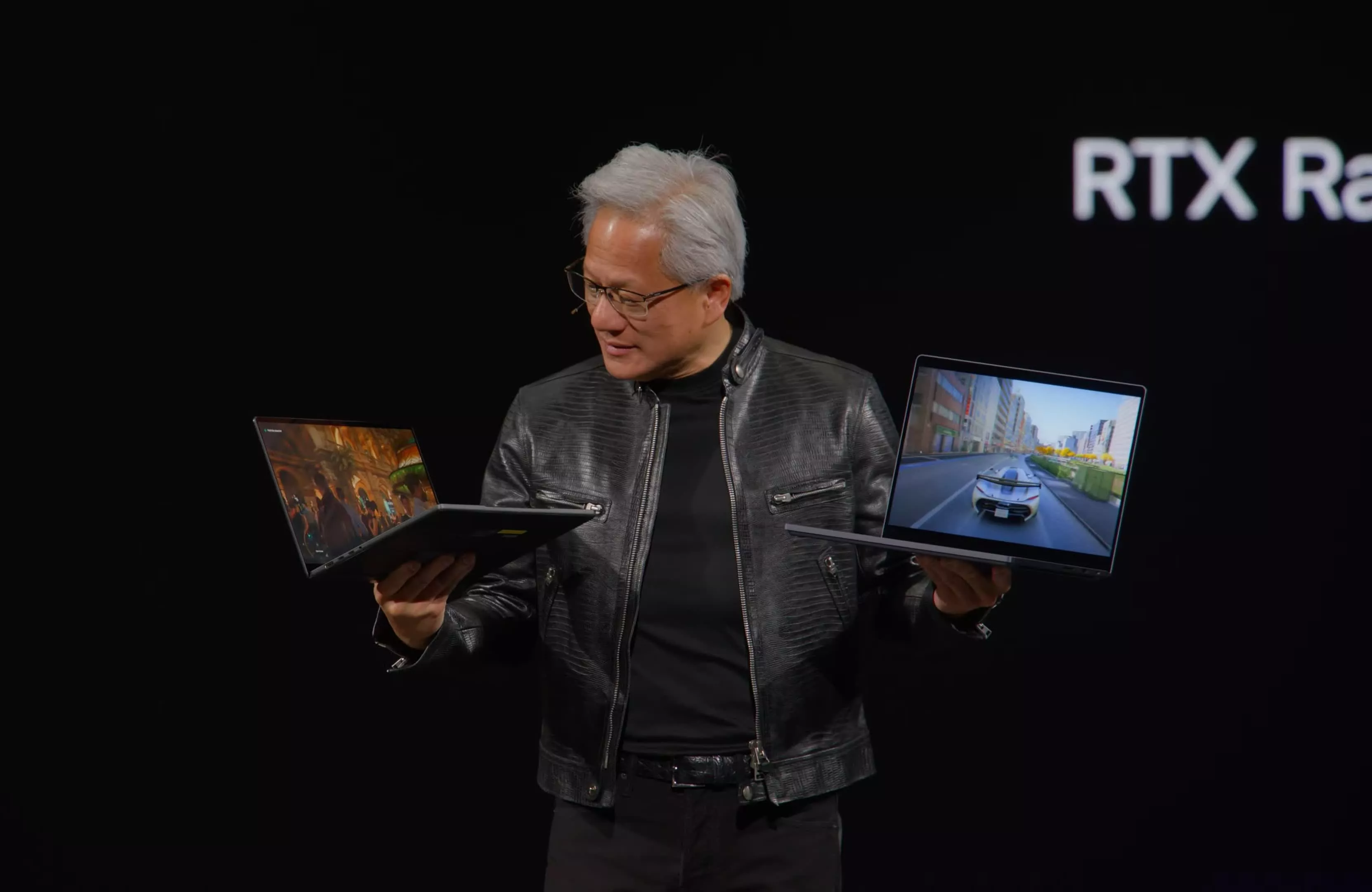
At this time there’s zero performance numbers, no power figures, and no details on GAIA’s architecture or how it could compare to AMD’s XDNA NPUs, Intel’s on-die accelerators, Qualcomm’s Hexagon NPU in Snapdragon X2, or Nvidia’s RTX Spark platform. In other words, we can’t imagine if GAIA is genuinely competitive or just enough to get Samsung a seat at the table. Samsung has yet to confirm any of this publicly.
The industry has been trying to convince PC buyers that NPUs matter for two years now, and the honest answer is that most people still can’t name a task their current NPU handles that they’d otherwise miss. A second or third NPU vendor doesn’t fix that either.
What GAIA could be betting on is that local GenAI workloads will be heavy and popular enough to need dedicated local silicon, not just a checkbox spec. Whether that’s a 2027 reality or another premature bet remains to be seen.